Benefits of Hiring Professional Waterproofing Services NJ
Water has a way of finding every weakness in a building. It slips through hairline cracks, follows seams in foundation walls, pools around footings, and lingers in places owners rarely inspect. By the time a damp smell appears in the basement or paint starts to bubble along a lower wall, the problem is often older, wider, and more expensive than it first seems.
That is why waterproofing deserves more respect than it usually gets. In New Jersey, where homes and commercial buildings face heavy rains, humid summers, freeze-thaw cycles, and a mix of old and new construction, moisture control is not a cosmetic concern. It is a structural, financial, and health issue. Hiring professional waterproofing services NJ property owners can rely on is often the difference between a targeted repair and a recurring cycle of patch, leak, and regret.
Many people first consider waterproofing after a flood or a visible leak. In practice, the best projects start earlier, when the signs are subtle and the building still offers options. A seasoned waterproofing contractor looks beyond the wet spot on the floor. They study grading, hydrostatic pressure, masonry condition, drainage patterns, gutter discharge, wall penetrations, and the age of the structure. That wider diagnosis is one of the main reasons professional work consistently outperforms quick fixes.
Why New Jersey properties are especially vulnerable
New Jersey presents a challenging mix of environmental and construction conditions. A house near the shore deals with salt air, wind-driven rain, and high groundwater concerns that differ from a home in Morris County with sloped terrain and older stone foundation walls. Urban properties in North Jersey may sit close to neighboring buildings, limiting exterior excavation access. In South Jersey, sandy soils can behave very differently from denser clay-heavy soils found elsewhere in the state.
Then there is the weather. Long wet periods can saturate soil around a foundation, while winter freezes can widen existing cracks. Spring thaws and summer downpours regularly test drainage systems. Even a well-built home can struggle if downspouts dump water too close to the foundation or if a patio was installed years later with the wrong pitch. These are not unusual scenarios. They are routine service calls.
This local variation matters because waterproofing is not one product and not one method. A coating alone may help in one case and fail completely in another. Interior drainage may be practical for one basement, while another needs exterior membrane work, crack injection, sump upgrades, or crawl space encapsulation. Professional waterproofing services start with matching the method to the moisture pathway, not selling the same package to every owner.
A professional diagnosis saves money before it spends it
One of the biggest misconceptions in this trade is that waterproofing is simply about sealing a wall. Real jobs are more investigative than that. Water stains can be misleading. A leak that appears in one corner may actually originate outside, several feet away, where poor grading pushes runoff toward the footing. Condensation can be mistaken for seepage. Efflorescence may suggest repeated moisture exposure even when active water is not currently visible.
An experienced crew knows how to separate symptoms from causes. They inspect inside and outside. They check for crack patterns, mortar deterioration, blocked footing drains, negative grading, gutter overload, and plumbing exclusions. They may ask when the problem appears, only after sustained rain, during snowmelt, or in humid weather. Those details change the diagnosis.
Homeowners who skip this step often spend money twice. I have seen basements painted with so-called waterproof coatings three times in six years, only for water to return every spring because the Waterproofing services NJ real problem was pressure building outside the wall. The owner kept paying for appearance, not performance. Professional waterproofing services NJ contractors provide are valuable partly because they stop that cycle. A correct first decision is almost always cheaper than a string of hopeful repairs.
Better materials, better methods, and fewer weak spots
There is a visible difference between retail patch products and commercial-grade systems, but the bigger difference is how and where those materials are used. A crack injection, for example, is not just a matter of squeezing resin into a gap. Surface preparation, port placement, crack depth, moisture condition, and resin selection all affect whether the repair actually bonds and holds. The same goes for membranes, drainage boards, sump installations, vapor barriers, and sealants around penetrations.
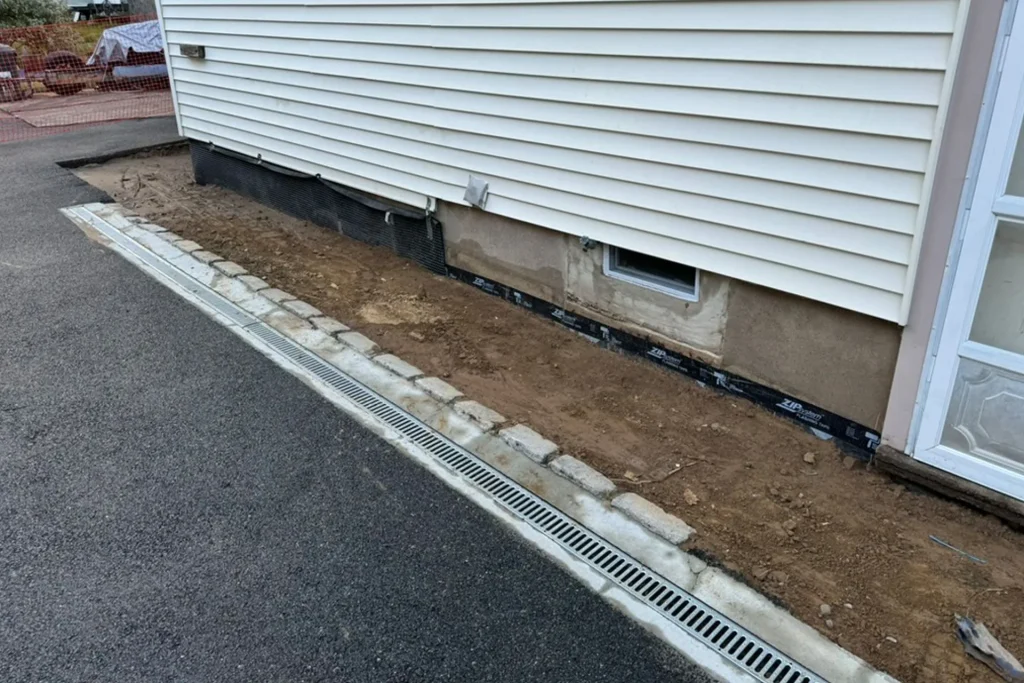
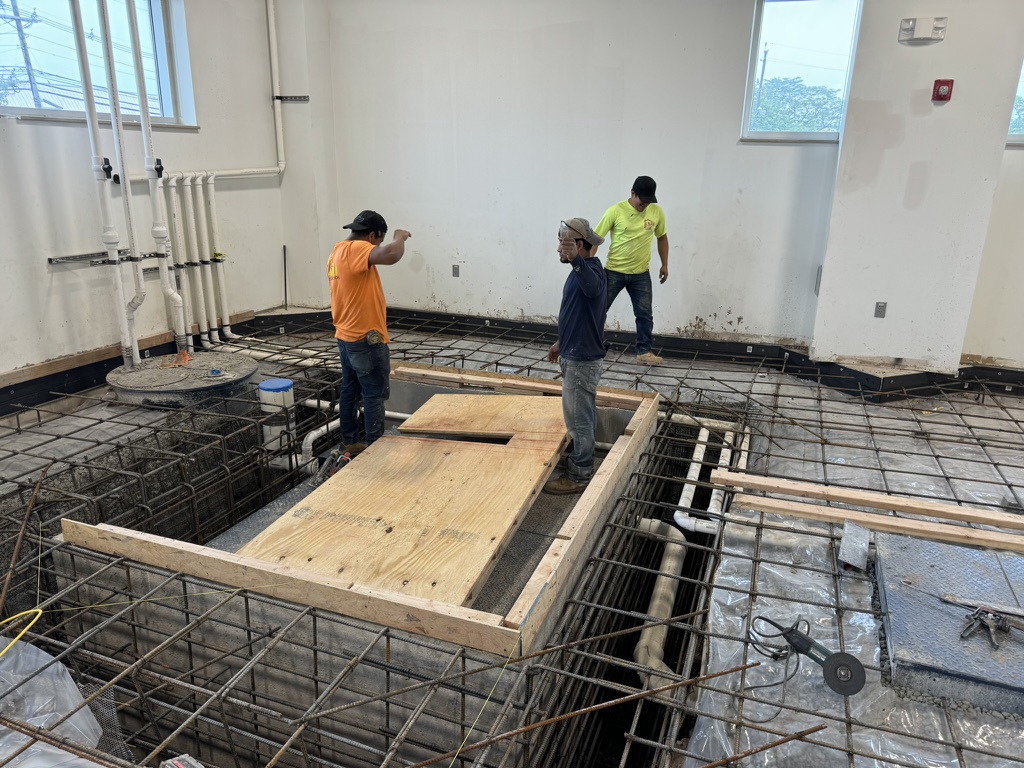
Professionals also understand sequencing. Exterior excavation requires care around utility lines, landscaping, stoops, and adjacent structures. Interior systems require controlled demolition, proper pitch to drainage channels, discharge planning, and clean restoration. Waterproofing that ignores these details may work for a month and fail under the first serious storm.
The goal is not only to stop visible water. It is to create a durable system with fewer weak points. That usually means tying several components together. A sump pump without a battery backup is vulnerable during storms when power fails. A vapor barrier in a crawl space is undercut if vents, insulation, and drainage are ignored. An exterior membrane performs best when combined with proper backfill management and water diversion away from the structure.
Protection for the building structure
Moisture is patient, and buildings are not. Repeated water intrusion can weaken mortar joints, damage framing, rust metal components, and contribute to concrete deterioration over time. In finished basements, the risk expands to drywall, trim, flooring, insulation, and electrical systems. By the time damage is obvious, the repair scope often extends well beyond the original leak.
Structural protection is one of the clearest benefits of hiring professionals. They do not just stop a nuisance, they protect the envelope and the load-bearing parts of the property. This is especially important in older New Jersey homes with block, brick, or stone foundations. Those assemblies can last a very long time, but they need moisture managed properly. When water sits against foundation walls year after year, pressure and saturation create gradual damage that no paint can solve.
For commercial properties, the stakes climb even higher. Moisture can interrupt operations, damage stored inventory, and trigger tenant complaints. If a lower-level mechanical room or electrical Waterproofing services NJ ardwaterproofing.com area takes on water, the shutdown costs can dwarf the waterproofing investment. Professionals think in those terms because they have seen what deferred moisture control eventually becomes.
Health and indoor air quality are part of the equation
A damp basement does not always look dramatic, but it changes the air people breathe throughout the building. Moisture supports mold growth, encourages musty odors, and can worsen conditions for people with allergies or respiratory sensitivity. In homes with forced-air systems, basement air often circulates upward, carrying that damp smell and whatever particulate load comes with it.
This is another reason quick cosmetic repairs fall short. If the source of moisture remains active, the air quality issue remains active too. Professional waterproofing services address the environment, not just the stain. That may include humidity control, drainage, sealing, and in some cases crawl space encapsulation that sharply reduces moisture migration into living areas.
Owners often underestimate the quality-of-life benefit here. A dry basement feels different. It smells cleaner, stored belongings stay in better condition, and the space becomes more usable. Families start using rooms they had avoided. Business owners stop worrying every time the forecast shows a multi-day storm. Those are practical wins, not marketing language.
Higher property value and smoother real estate transactions
Water problems are notorious deal disruptors. Buyers get nervous around stains, sump pumps that run constantly, or disclosures about prior flooding. Inspectors flag active seepage quickly, and lenders or insurers may ask hard questions if a property shows unresolved moisture issues. Even when a sale still moves forward, visible water concerns weaken negotiating power.
Professional waterproofing helps in two ways. First, it reduces the actual risk profile of the property. Second, it gives owners documentation that work was performed by a qualified contractor using a defined system. That matters during resale. A buyer may still ask questions, but documented repairs with transferable warranties or service records carry more weight than a vague assurance that someone sealed the wall years ago.
In many cases, waterproofing also unlocks space. A basement that was previously considered marginal becomes storage, workshop, fitness, or finished living area. In parts of New Jersey where square footage carries a premium, protecting that lower level can improve both function and market appeal.
What professionals catch that owners often miss
Water intrusion is rarely caused by one dramatic failure. More often, it is the sum of several modest flaws that reinforce each other. A homeowner may notice the damp carpet but not the compacted soil sloping toward the house, the clogged downspout elbow, the undersized sump basin, or the old crack that widens slightly every winter.
Professionals tend to notice patterns. They ask why the issue appears along one wall and not another. They compare outdoor grade elevations to interior slab height. They look for signs that previous repairs were made without drainage correction. They also know when the problem is not classic seepage at all. Condensation on cold walls, HVAC humidity, or plumbing leaks can mimic foundation trouble. That distinction matters because the wrong repair does not just waste money, it delays the right one.
A good contractor also explains trade-offs honestly. Interior systems can be effective and less disruptive, but they manage water after it reaches the foundation area. Exterior work can block water earlier, but access and cost may be tougher. Sometimes a combined approach is best. The value of expertise lies partly in this judgment, choosing the method that fits the building rather than forcing the building into a preset method.
Time, safety, and liability matter more than people expect
Waterproofing work can be physically demanding and technically unforgiving. Excavation near foundation walls carries risk. So does cutting slab for an interior drainage channel, rerouting discharge, or installing electrical components for pump systems. There are safety concerns, code considerations, and practical issues like protecting landscaping, patios, and utility lines.
The labor side is easy to underestimate. Even smaller projects generate debris, require surface prep, and depend on moisture conditions that can shift by the day. A homeowner trying to manage a major basement leak alone often learns this halfway through a storm event, when temporary measures start failing and the floor is already wet.
Professional waterproofing services bring trained crews, appropriate tools, and a process for containing disruption. They know how to schedule around weather windows, test systems, and complete the work with a level of consistency that is hard to match on occasional DIY effort. Just as important, reputable contractors stand behind the job. If something needs adjustment, there is accountability. That has real value.
The long-term economics are usually favorable
Some owners hesitate at the upfront cost of professional waterproofing, especially when the visible issue seems limited. That reaction is understandable. The problem is that water rarely stays limited. It expands into finishes, contents, air quality, and structural wear. A few thousand dollars deferred can become a much larger restoration bill after one major event.
The financial comparison looks clearer when you account for repeated patching, damaged storage, mold remediation, floor replacement, and lost use of space. Add the stress factor of every heavy storm, and the premium for professional work starts to look modest.
These are the cost areas professionals most often help reduce:
- recurring repair bills from failed patchwork
- damage to flooring, drywall, furniture, and stored items
- mold cleanup and indoor air quality remediation
- structural repairs tied to chronic moisture exposure
- resale discounts caused by unresolved water concerns
Not every property needs the most extensive solution. Sometimes the right answer is improved grading, longer downspout extensions, and a focused crack repair. Other times the issue is substantial enough that partial measures only delay a larger investment. The benefit of hiring professionals is not that they always recommend the biggest project. The real benefit is that they can tell the difference.
Choosing the right waterproofing partner in New Jersey
The market includes excellent contractors and some who rely too heavily on pressure sales or one-size-fits-all methods. A careful selection process matters. The best firms tend to be direct about diagnosis, clear about scope, and willing to explain why they favor one approach over another. They inspect thoroughly instead of quoting from the doorway.
When evaluating waterproofing services NJ providers, owners should pay attention to a few practical signs:
- whether the contractor explains the source of water, not just the symptom
- whether the proposed solution matches the building conditions and access realities
- whether warranties, exclusions, and maintenance expectations are clearly written
- whether the crew has experience with similar foundation types and local site conditions
- whether communication stays consistent from inspection through completion
Good contractors are also realistic. They do not promise a miracle from a coating where drainage is the real issue. They do not dismiss grading, guttering, or site runoff because those items are outside a narrow sales script. They understand that effective waterproofing often begins with water management before water ever reaches the wall.
Different buildings need different levels of intervention
Not every leak calls for excavation. Not every damp basement can be solved from the interior alone. This is where experience becomes visible.
Take a newer poured concrete basement with a single non-structural crack and otherwise sound drainage. A targeted injection repair might be entirely appropriate. Compare that with an older block foundation showing multiple seepage points, mineral buildup, and signs of exterior saturation after storms. That building may benefit far more from drainage management and a broader system design.
Commercial spaces introduce another layer. Restaurants, mixed-use buildings, warehouses, and medical offices often have uptime concerns that shape the repair plan. Work may need to happen in phases, off hours, or with special containment. Professional crews are better equipped to adapt the waterproofing plan to operations, which helps owners avoid turning one repair into three business disruptions.
What lasting waterproofing really looks like
A lasting result usually has three traits. It addresses the true source of water, it respects how the building was constructed, and it remains serviceable over time. That last point gets overlooked. Sump systems need maintenance. Drainage routes need to stay clear. Exterior grading can change after landscaping work. Even a well-executed solution works best when owners understand what supports it.
This is where a professional relationship helps after the install. Good contractors explain what to watch, what to maintain, and when to call if conditions change. They treat waterproofing as a system, not a single moment of repair. That mindset leads to fewer surprises.
For owners who have lived through basement water before, the appeal is simple. They want confidence when the rain starts. They want to store belongings without guessing. They want lower levels that smell dry, walls that stay sound, and repairs that hold up beyond one season. That is what professional waterproofing services are meant to deliver.
A dry structure is not a luxury in New Jersey. It is a form of protection, one that preserves the building, supports healthier indoor conditions, and saves money over the life of the property. When the work is done well, you stop thinking about water because it is no longer in charge.
ARD Waterproofing
Address: 98 Smull Ave, West Caldwell, NJ 07006
Phone number: +12016465936
FAQ About Waterproofing Services NJ
How much can waterproofing cost?
Stephanie holds a bachelor's degree in journalism from California State University, Long Beach. Basement waterproofing costs around $13,640 on average for a 1,000-square-foot basement, but estimates can range from $12,447–$14,833, depending on the severity of the issue.
Which company is best for waterproofing?
The "best" company depends on your specific need—whether you are looking for local contractors to fix a wet basement or global manufacturers providing commercial-grade chemicals.
What is the best time to do waterproofing of your home?
As the rains subside, it makes for the perfect time to work on waterproofing your home. With no high temperatures and harsh rains to disrupt the process of waterproofing your home, you get to rapidly protect your home in time.